Why Dashcams with AI are a Fleet Manager’s Dream
Using AI With Your Dashcams: Improving Safety, Accountability, and Efficiency Like the Pros
Commercial Fleets is under more pressure to operate safely, efficiently, and transparently. As insurance rates continue to rise, liability risks also increase, and customers expect fast, reliable service. Fleet management needs tools that go far beyond standard vehicle tracking. Today, forward-thinking fleets are turning to one powerful technology to drive better performance on every mile: Dashcams.
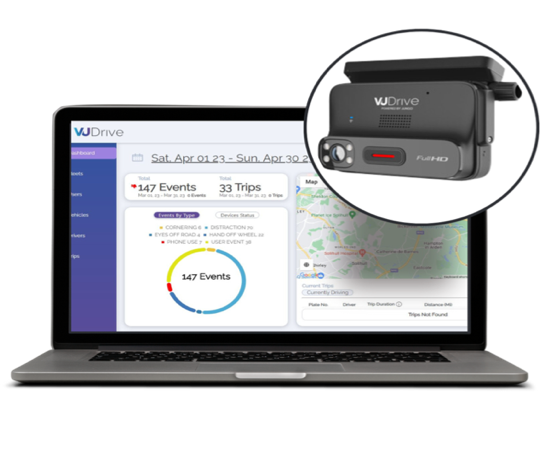
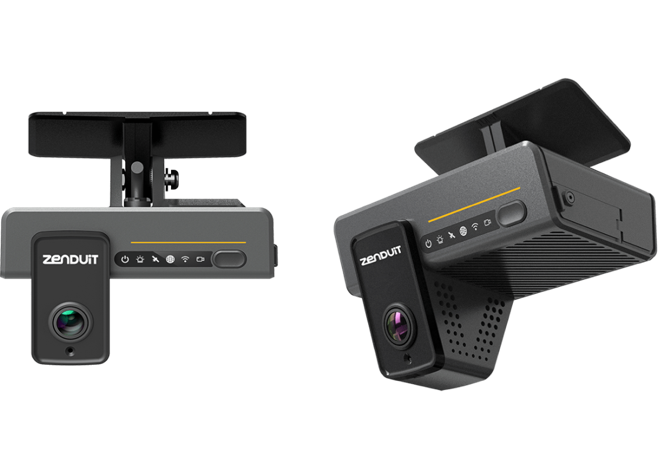
It’s important to realize that dashcams are no longer just simple video recorders. With AI-driven insights, privacy-focused features, and flexibility, today’s dashcams, such as those offered by GPStoGO, are reshaping how fleets work. While digging into what GPStoGO’s cameras solution, it was obvious why dashcams deserve attention: they improve safety, reinforce accountability, and provide operational clarity that traditional tracking tools can’t match.
Why Dashcams Matter More Than Ever
Traditional GPS tracking tells you the location of your vehicle. Dashcams tell you what happened. Distinction matters in today’s complex driving environments. GPS dashcams for fleet tracking systems
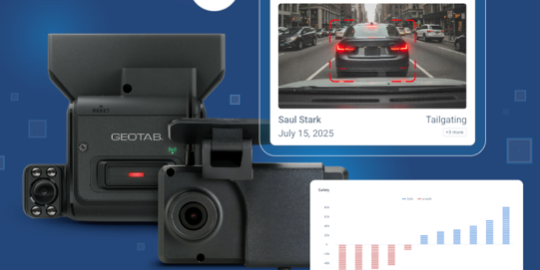
The Dashcams capture event-driven video during collisions, harsh braking, or sudden incidents, giving fleets clear, real-time insight into risky behavior. They also provide reliable protection against false claims and offer a complete view of both road conditions and driver performance.
For fleet management, this visibility is no longer an option; it’s essential. Video data fills critical gaps left by traditional telematics, offering context and clarity when fleet operations need it most.
What are the Cutting-Edge Companies Doing with AI?
This is where it gets fascinating
The AI-first companies aren’t tiptoeing around the edges—they’re going straight for the throat.
Here’s the playbook:
They devour data like it’s their job (which it is!). Vehicle telemetry, live camera feeds, weather patterns, traffic flows, maintenance histories—everything gets sucked into the machine. No dataset is off-limits.
Then they see the future. Not vague trends, but specific predictions: “Engine failure in 200 hours.” “Driver about to slam the brakes next Tuesday.” “This truck will break down before it reaches Denver.” They’re running probability engines that would make Vegas bookies jealous.
Then they take control. Reroute trucks in real-time. Send coaching alerts to drivers before the bad thing happens. Auto-schedule maintenance before the breakdown strands your freight on I-80. It’s predictive, then prescriptive, then fully automated.
Then they sell the dream. ROI calculators. Accident reduction guarantees. Downtime that vanishes. Driver retention that actually works. They’re not selling software—they’re selling outcomes you can stake your job on.
Then they walk into the RFP and drop the hammer: “We’ll cut your incidents by X% in 12 months. Guaranteed. Put it in the contract.”
That’s not a pitch. That’s a dare. And fleet managers who’ve been burned by legacy systems that promised the moon and delivered a PDF report are starting to take that bet.
Check out the latest and greatest here at GPStoGO.